In manufacturing, packaging, construction, and design, the terms plastic and resin are often mentioned side by side. While they may seem interchangeable, they refer to two different materials with distinct characteristics and uses. Understanding what sets them apart is crucial for engineers, designers, and even consumers looking to make informed choices about material selection, environmental impact, and performance.
1. Plastic and Resin: From Origin to Definition
The story of plastic and resin begins with their origin. Plastic, as we commonly understand it, refers to fully polymerized synthetic materials derived primarily from petrochemicals. Through polymerization processes like addition or condensation, monomers such as ethylene or styrene are turned into high-molecular-weight polymers. These plastics are then processed into the items we use daily: containers, car parts, electronic housings, films, and more.
Resin, in contrast, is a broader term. It originally referred to viscous substances extracted from plants—think of pine resin. Today, the term includes synthetic resins, which are often the unpolymerized or partially polymerized starting materials used to produce plastics. Resins can be liquids, gels, or solids, and they play a foundational role in the creation of plastic compounds.
In short: all plastics come from resins, but not all resins are plastics.

2. How Plastic and Resin perform
Comparing the performance of plastic and resin depends on their specific type and formulation. Generally, plastics—especially thermoplastics like polypropylene or ABS—are valued for their durability, flexibility, and resistance to moisture, chemicals, and mechanical stress. That’s why they are used across mass manufacturing sectors.
Resins, particularly synthetic ones like epoxy, polyester, or polyurethane resin, tend to be more specialized. They’re often chosen for their adhesive strength, clarity, and moldability in detailed casting work. While some cured resins become hard and durable, they’re usually more brittle than industrial plastics and may degrade faster under UV or heat exposure unless modified. In construction, resins like epoxy offer excellent bonding properties for flooring and coatings, while in electronics, they serve as encapsulants protecting sensitive components from heat and moisture.
3. Industrial and creative applications
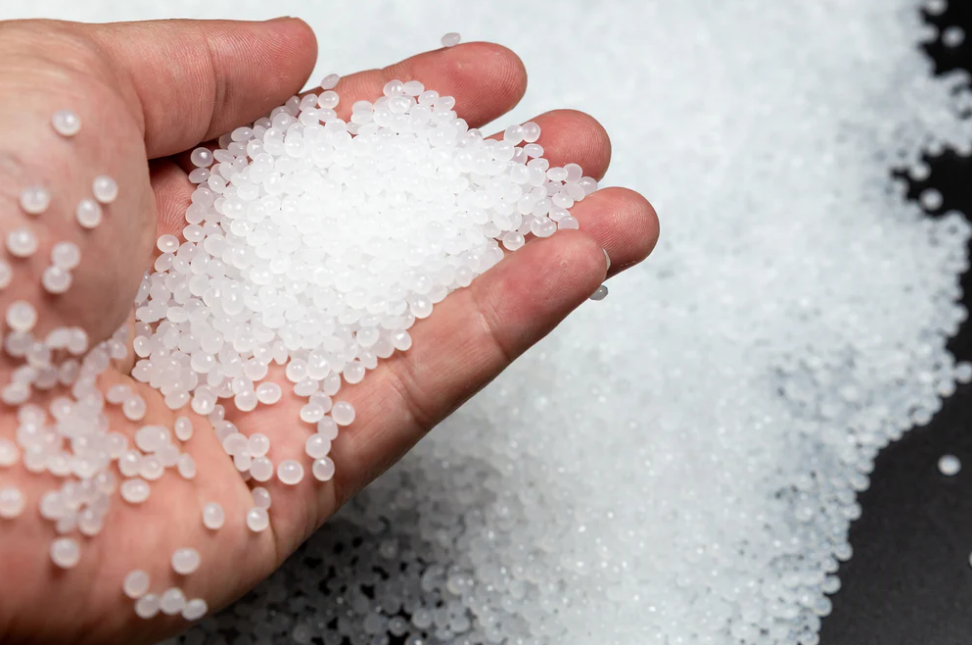
One of the key differences between plastic and resin lies in how they’re used. Plastic, especially in pellet or sheet form, is the backbone of large-scale industrial production. It is injection-molded, extruded, thermoformed, or blow-molded into everything from food packaging to medical devices and automotive dashboards. Its consistency, mechanical performance, and efficiency in mass production make it indispensable across sectors.
Resin, meanwhile, finds its niche in coatings, adhesives, and castings. In aerospace, marine, and automotive repair, resins such as polyester or epoxy are used to reinforce composite materials like fiberglass. These resins provide strength while maintaining lightweight properties, crucial for performance and fuel efficiency. In consumer markets, resins are used in varnishes, sealants, and even furniture finishes. In the creative industry, artists and designers use epoxy or UV resin for jewelry, coatings, and artistic casting thanks to their gloss, color flexibility, and ability to encapsulate materials.
4. Processing methods and handling
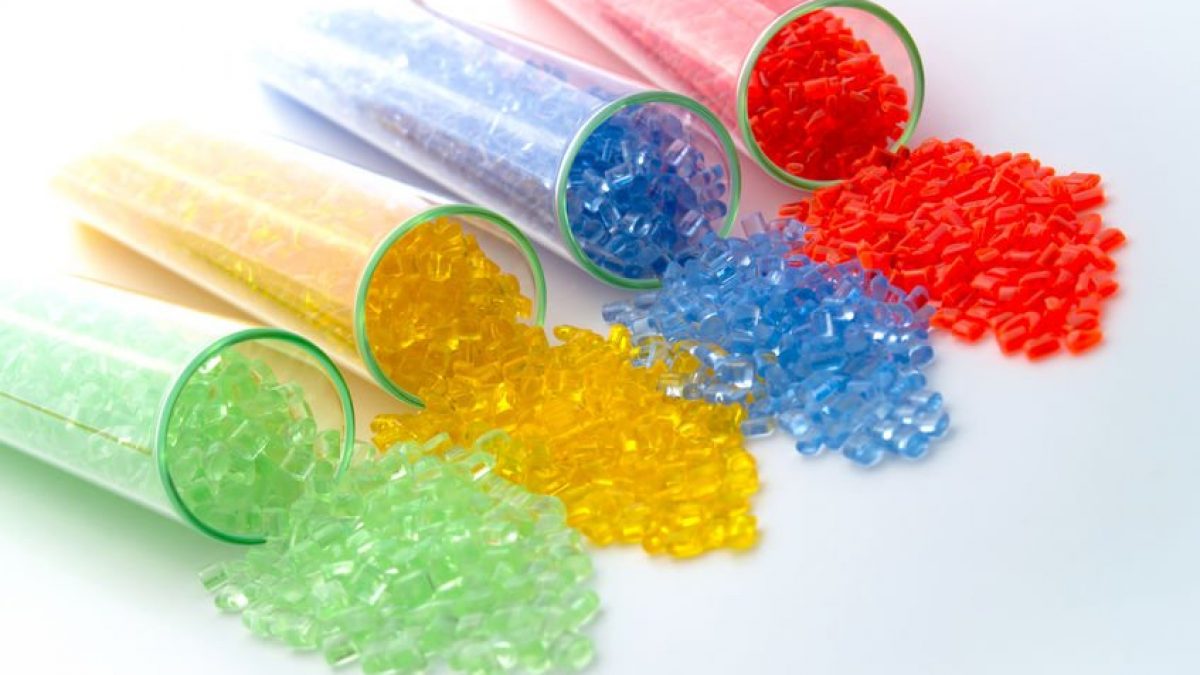
The manufacturing processes for plastic and resin also differ. Plastics are usually processed in high-temperature, high-pressure environments using injection molding, extrusion, or thermoforming equipment. These methods allow plastics to be shaped quickly and with high consistency, ideal for automated production lines.
Resins often require manual or semi-automated processing. Liquid resins may be poured into molds and then cured using heat, UV light, or hardeners depending on the formulation. This makes resins suitable for applications requiring custom shaping, finishing, or bonding. However, this also means production is often slower and more labor-intensive than with plastic.
Handling also varies—plastic materials are solid and stable under ambient conditions, while many resins are reactive substances that require careful mixing and curing. Improper handling of resins can result in undercured materials or weak final products.
5. Cost, availability, and sustainability
Between plastic and resin, plastic is generally cheaper to produce at scale, thanks to its well-established infrastructure and raw material availability. This cost-effectiveness has made plastic the dominant material for mass consumer goods, packaging, and components. However, its affordability comes with environmental trade-offs. Most traditional plastics are not biodegradable, and even with improved recycling programs, a large portion of plastic waste still ends up in landfills or oceans.
Resins vary widely in cost depending on formulation and purpose. Specialty resins used in aerospace or electronics can be costly, while common resins like polyester or acrylic remain affordable. In terms of sustainability, some natural resins (like rosin or shellac) are renewable and biodegradable. Synthetic resins, however, share many of the same environmental challenges as plastics, although research into bio-based and recyclable resins is growing.
Efforts to address sustainability include the development of biodegradable plastics and recyclable resins. Innovations in bioresins made from plant-based sources—such as corn starch or lignin—are aiming to replace petrochemical-derived materials in niche markets.